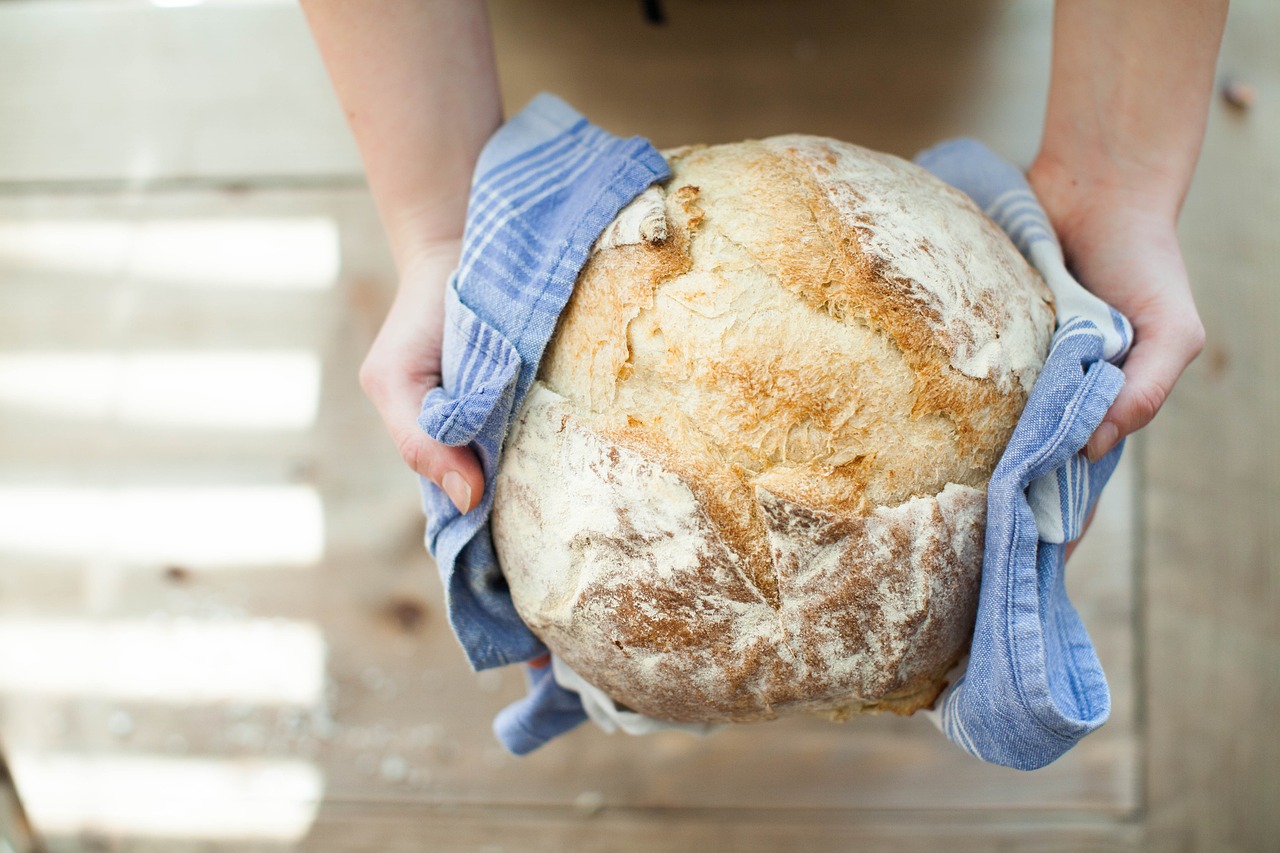


There’s one wild herb I can never harvest enough of when it’s in season: stinging nettle (Urtica dioica). Yes, it stings—literally! But this unassuming green is a powerhouse for homesteaders or anyone practicing natural homemade-living routines. I often use it in sourdough loaves, stews, herbal teas, and natural remedies for everything from joint pain to boosting iron. Let me show you the science behind why this plant is so beneficial… and how I weave it into real mom‑life moments.
The Science Behind the Benefits
Stinging nettle isn’t just folklore—modern research supports many of its traditional uses: A 2022 review outlines that nettle has anti‑inflammatory, antioxidant, analgesic, anti‑infectious, hypotensive, and even anti‑ulcer properties. It’s rich in polyphenols, carotenoids, vitamins (like C and K), iron, calcium, magnesium, zinc and more.
Small clinical trials show nettle may ease osteoarthritis symptoms, reducing pain and stiffness when used topically or internally. Nettle root extract has shown promise in reducing urinary symptoms tied to benign prostatic hyperplasia (BPH) in men in controlled studies .
Some research indicates nettle may help lower fasting blood sugar, improve HDL cholesterol, and reduce inflammation in people with type 2 diabetes. Traditional and pilot studies have also found nettle may alleviate hay fever symptoms, reduce allergic inflammation, and act as a gentle diuretic, helping with UTIs and bloating.
It’s been used as a galactagogue—helping to support milk supply postpartum and restore energy, thanks to its iron and mineral content.
⚠️ Please Note: Nettle can interact with medications (e.g. blood pressure meds, blood thinners, diabetes drugs). It may reduce blood sugar or act as a diuretic, so consult a healthcare provider if you’re on treatment. Pregnant women should avoid using it without medical guidance.
My Momlife Uses & Real‑World Tips
Here’s how I incorporate nettle into everyday mom‑life:
- 1. Nettle Tea or Infusion — I brew fresh or dried leaves into herbal tea enjoy it hot or cold. It’s rich in iron, calcium, magnesium, vitamin C and K—especially helpful when juggling mom‑preneurs duties, homeschool chaos, and homestead life.
- 2. In Soups & Greens — I wilt nettle into homemade meals like sourdough soups or pesto, much like wild spinach—sneaking in nutrition and flavor.
- 3. Topical Use — I infuse nettles in oils for joint relief or itchy skin/hormonal eczema and acne and even small ouchies.
- 4. Tincture & Capsules — I prepare tinctures or powdered capsules for immune support, detox, and hormonal ease.
And we have a winner!
Stinging nettle is truly a homestead hero—with science-backed benefits, nutrition-packed leaves, and versatility across natural remedies, homeschool crafting, natural skincare, and mompreneur routines.
Update: What’s Emerging About Nettle, Hormones & PCOS
Since I first wrote this post, I’ve gone a little deeper into the research around stinging nettle — especially how it may relate to hormone balance and conditions like PCOS.
Let me explain this in normal-human terms.Stinging nettle isn’t just a “nutritious weed.” It contains natural plant compounds like flavonoids, lignans, and other antioxidants that actively interact with the body. Researchers have been studying these compounds because of their anti-inflammatory and antioxidant effects.
Why does that matter?
Because conditions like PCOS are often linked with chronic low-grade inflammation and increased oxidative stress in the body. Anything that helps calm inflammation and support antioxidant defenses gets researchers interested.
What Studies Have Looked At
Some early research (mostly in lab and animal models, not large human trials yet) has explored how nettle extract affects ovarian tissue and hormone markers in PCOS models.
In those studies, nettle appeared to:
- Improve antioxidant activity in the body
- Reduce markers of oxidative stress
- Support healthier ovarian tissue structure
- Influence certain hormone pathways
There’s also research showing that nettle root can interact with proteins involved in testosterone metabolism. That’s particularly interesting because elevated androgens are a common feature of PCOS.
Now — before anyone gets carried away — this does not mean nettle is a cure for PCOS. Most of this research is still early-stage. We need more high-quality human studies to fully understand how it works in real women, not just in controlled lab settings.
But it does show that this plant isn’t “just folklore.” It has measurable biological activity.
Blood Sugar & The Bigger Picture
Another piece of the puzzle is blood sugar regulation. Stable blood sugar plays a huge role in hormone balance, especially in insulin-resistant PCOS. Some research suggests nettle may support metabolic balance — which is likely part of why it’s been traditionally used in broader hormone-support formulas.
Again, supportive — not magical.
So What Do I Take From This?
For me, it reinforces something I’ve always believed: Plants like nettle are deeply nutritive and biologically active. When used consistently as part of a whole lifestyle approach — nourishing foods, mineral support, stress reduction — they can absolutely play a supportive role.
But they’re not meant to replace foundational habits or medical care when needed.
If you’re drinking nettle tea made properly from the leaf, you’re getting minerals, antioxidants, and compounds that support overall resilience. And that alone is powerful.
Nature is rarely dramatic.
It works steadily.
And sometimes that’s exactly what the body needs.
Want a step‑by‑step recipe on making your own nettles tincture? Comment below or drop me a 🌿 emoji, and I’ll craft a follow‑up to show you what I do!
Until then, happy foraging, mama 🌱
Xoxo
References:
Comprehensive Review: Therapeutic Potential of Urtica dioica L. (Stinging Nettle)📚 NCBI – PMC9253158
Covers anti-inflammatory, antioxidant, antibacterial, antiviral, and anti-ulcer properties. Highlights use in treating diabetes, arthritis, and more.
2. Anti-Inflammatory Activity of Lipophilic Stinging Nettle Extracts📚 NCBI – PMC3529973
Evaluates different extraction methods of nettle, finding strong anti-inflammatory effects from non-polar extracts.
3. Nettle (Urtica dioica) for Osteoarthritis📚 Healthline – Nettle for Joint Pain
Discusses potential benefits for reducing osteoarthritis symptoms including pain and stiffness.
4. Medical News Today: Nettle for Health Uses📚 Medical News Today
Overview of medicinal uses, possible risks, and safety information for nettle consumption.
5. PeaceHealth: Herbal Support for Lactation (Including Nettle)📚 PeaceHealth Lactation Support
Lists nettle as a traditional galactagogue, used to support breast milk production.
6. Stinging Nettle and Seasonal Allergies📚 Real Simple – Nettle Tea Benefits
Explains how nettle tea may relieve hay fever and seasonal allergy symptoms.
7. Nettle Root for Benign Prostatic Hyperplasia (BPH)📚 Health.com – Nettle Benefits
Reviews studies on nettle’s use for urinary health and inflammation related to BPH.
8. Nettle and Blood Sugar Support📚 MedicineNet
Outlines potential benefits of nettle for managing blood sugar and supporting kidney health.