

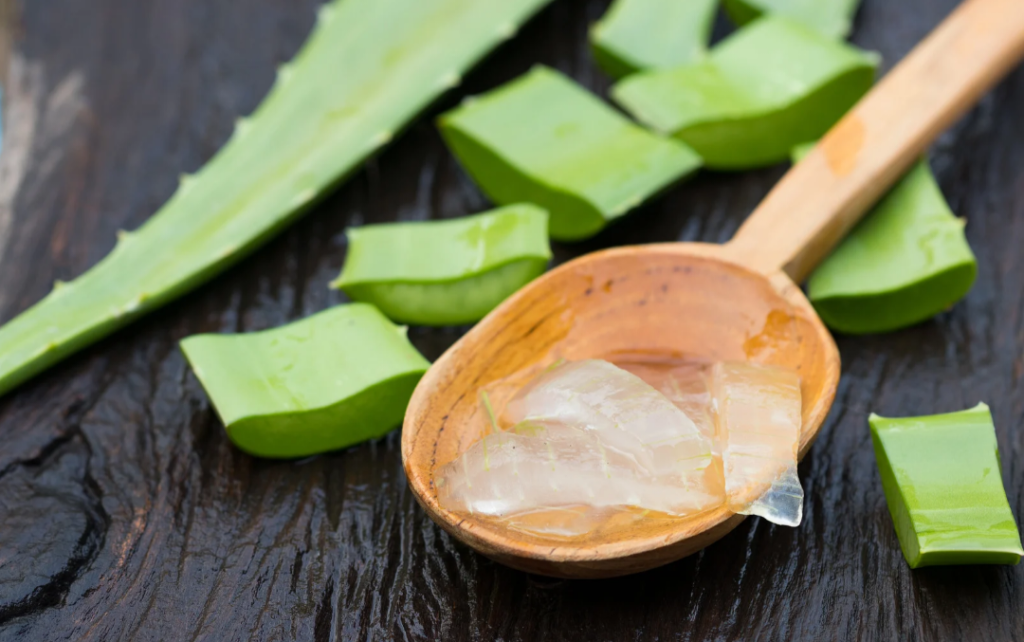
Most of us know aloe vera as that cool, soothing gel you rub on sunburns. But what if I told you this humble plant leaf has layers of benefits beyond just skin care — from immune support to digestive help — and that scientists have been quietly studying it for decades? Here’s a simple, honest breakdown of what aloe can actually do, with real science to back it up, -because yes people need science to believe in Nature, funny isn’t it. Let’s jump in..
What Aloe Vera Really Is
Aloe vera (Aloe barbadensis Miller) is a succulent plant that has been used for thousands of years in traditional healing practices around the world. Throughout history, people used it for everything from burns and wounds to promoting overall health. Modern researchers are still discovering how impressive its chemistry truly is.
What’s Inside the Plant
The inner gel of the aloe leaf is rich in 75+ bioactive compounds like:
Polysaccharides (especially acemannan) – complex sugars linked to immune modulation
Antioxidants – like flavonoids and vitamins
Natural enzymes and amino acids
Minerals and saponins.
These compounds aren’t just random plant stuff — they interact with our biology in meaningful ways, so let’s break it down:
1.Immune Support (Not Just a Myth)
One of the most fascinating things about aloe is how it seems to influence the immune system. Studies show that polysaccharides like acemannan can: Stimulate immune cells like macrophages and lymphocytes.
Encourage production of signaling molecules (cytokines) that help coordinate immune responses. And support the activity of the body’s defense systems in lab studies.
In simple terms, some researchers interpret this as aloe helping the immune system “wake up” and respond appropriately — although it’s not a miracle cure, it may support immune function in a subtle way.
2. Anti-Inflammatory and Antioxidant Effects
Inflammation is a natural response, but chronic inflammation — the kind associated with stress, injury, or unhealthy diets — can wear the body down over time.
Aloe contains anti-inflammatory compounds that help calm certain biological pathways that drive inflammation, and antioxidants that help neutralize harmful free radicals in the body.
This is part of why aloe can feel soothing — it’s not just placebo, there’s chemistry behind it.
3. Digestive Health (But With Caution)
Some people use aloe internally to support digestion. Here’s what research suggests:
Aloe gel contains substances that may help soothe mild digestive irritation.
It has been used traditionally to help with occasional constipation because parts of the leaf contain powerful polysaccharides that stimulate gut movement.
In small animal studies, aloe gel stimulated immune cell proliferation in the gut region, suggesting a role in digestive immunity
Important to note: Too much aloe (especially the latex or whole leaf) can act as a strong laxative and may cause digestive upset — that’s why most experts recommend only the inner gel for oral use and in small amounts.
4. Skin Healing & Wound Support
Topically, aloe vera is one of the most studied amd known plants. Research supports that aloe gel can:
Speed healing of minor burns
Reduce pain and inflammation from sun damage
Increase hydration and support skin regeneration
It literally helps new tissue grow and can soothe irritation when applied directly, -just a side note for those suffering from gingivitis.
5. Antiviral & Antimicrobial Properties (Lab-Based Evidence)
Certain compounds in aloe — including anthraquinones — have shown antibacterial and antiviral activity in lab studies. This doesn’t mean aloe cures infections, but it does mean some of its compounds can interfere with microbial growth in controlled settings.
6. Potential Blood Sugar and Metabolic Effects
Some small human studies have shown aloe may help blood sugar and cholesterol levels in people with metabolic concerns. Research is ongoing, and findings aren’t definitive, but it’s becoming a promising area of interest for scientists.
What You Should Know Before Drinking Aloe
Aloe is generally safe when used correctly, but some forms and doses can cause problems so I’ve put it all the importantbits together for your safety:
As mentioned before, -whole-leaf extracts (including latex) can be irritating and were once restricted due to safety concerns. Too much can cause digestive upset or strong laxative effects, so try to use the inner gel only.
Very rare but allergic reactions or sensitivities are possible.
For internal use, most herbalists recommend:
✔ Always use inner leaf gel only
✔ Start with small amounts (e.g., 1–2 tablespoons in water)
✔ Avoid during pregnancy or if you have certain health conditions without medical guidance
So What’s the Takeaway?
Aloe vera is much more than a sunburn plant. It’s a complex botanical with:
✔ immune-supportive compounds
✔ anti-inflammatory and antioxidant effects
✔ potential digestive and metabolic benefits
✔ solid topical healing properties
It’s not a magical cure-all, but it deserves respect as a powerful plant with real biological activity that modern science continues to explore.
Nature’s pharmacy is old for a reason 🌱